
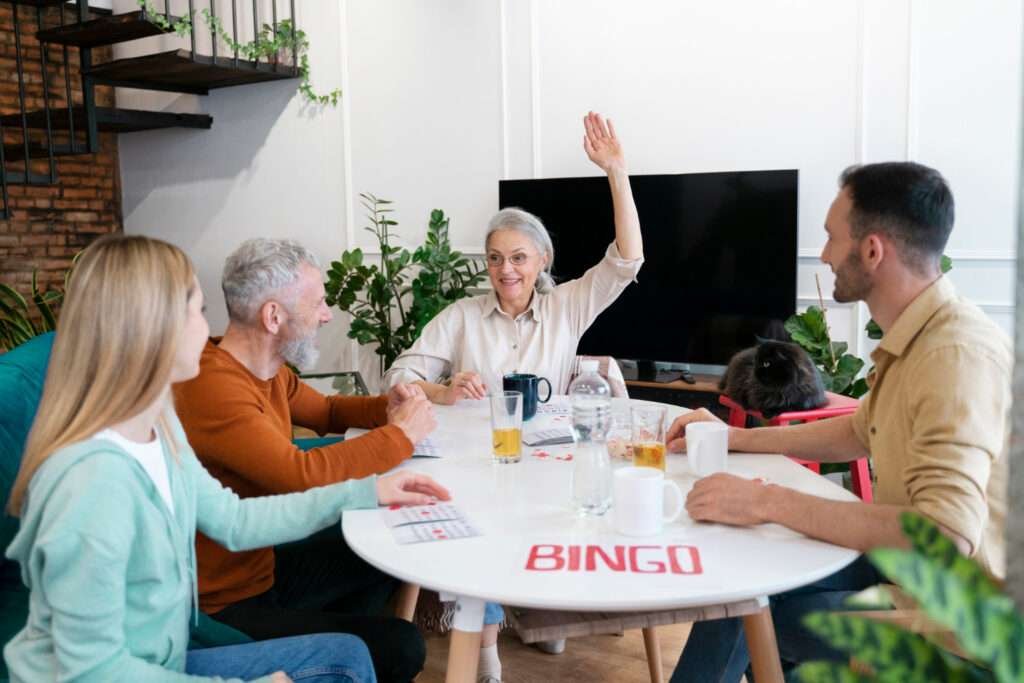
Community programs are becoming essential in supporting the overall well-being of today’s elder population. As seniors age, their physical, emotional, and social needs evolve, and these programs offer structured support that improves health, boosts confidence, and promotes independent living. By providing organized activities, learning opportunities, and meaningful social connections, community programs significantly enhance the quality of life for elders across all backgrounds.
How Community Programs Strengthen Elder Physical Health
Regular physical movement is one of the strongest predictors of healthy aging. Many community programs provide senior-friendly fitness opportunities such as:
Low-Impact Exercise Sessions
Activities like yoga, tai chi, chair exercises, and walking clubs help elders maintain flexibility, reduce joint pain, and support healthy weight management.
Balance and Fall-Prevention Training
Specialized classes strengthen core muscles, improve posture, and reduce fall-related injuries—one of the most common health risks among elders.
Guided Strength-Building Activities
Light strength training enhances mobility, supports bone density, and helps seniors remain independent in daily tasks.
These programs not only improve physical health but also reduce the risk of chronic illnesses such as heart disease, diabetes, and osteoporosis.
Mental and Emotional Well-Being Benefits for Elders
Loneliness and social isolation can seriously impact mental health. Community programs provide consistent social interaction that helps elders stay mentally sharp and emotionally stable.
Social Clubs and Group Events
Art workshops, music groups, book discussions, and cultural events allow elders to express themselves, share stories, and build friendships.
Cognitive Engagement Activities
Games, puzzles, memory exercises, and educational classes help stimulate the brain and reduce the risk of cognitive decline.
Emotional Support Networks
Being part of a community helps elders feel seen, supported, and understood. This sense of belonging boosts confidence and reduces stress.
Educational Programs That Empower Elders
Learning never stops, even in later stages of life. Community programs offer valuable education that promotes safety and independence.
Technology Awareness Workshops
Elders learn how to use smartphones, online banking, telehealth apps, and digital communication tools.
Health and Nutrition Education
Sessions on healthy eating, medication safety, and preventive habits help elders make informed choices about their health.
Financial and Safety Guidance
Workshops teach elders how to avoid scams, manage finances, and protect their personal information.
Preventive Health Support in Community Settings
Many community programs include health screenings, wellness monitoring, and guidance for caregivers. Services may include blood pressure checks, diabetes awareness, and fall-risk assessments. This proactive approach helps identify health concerns early and encourages regular health management.
A Sense of Belonging That Improves Elder Well-Being
Above all, community programs create a safe and inclusive environment where elders feel valued. They can interact with peers, engage in meaningful experiences, and stay motivated. This emotional support plays a major role in improving overall happiness and promoting a positive outlook on life.
Community programs truly elevate the well-being of the elder population by enhancing physical strength, mental sharpness, emotional wellness, independence, and quality of life. Their impact is long-lasting, making them a vital part of healthy aging in every community.