
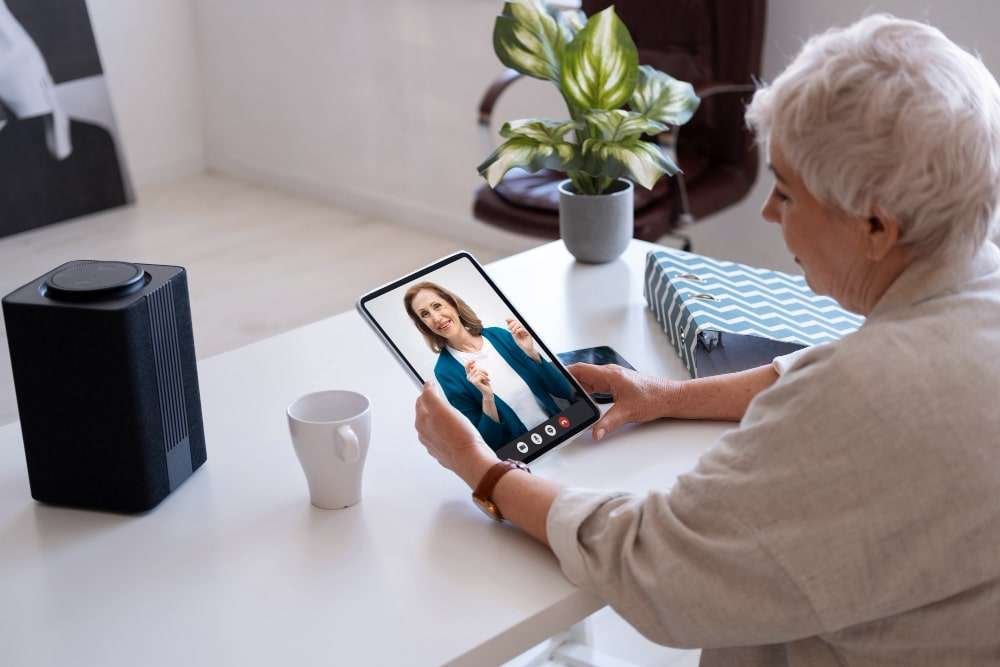
The healthcare world has changed dramatically in recent years, and telehealth is one of the biggest advancements supporting older adults today. Telehealth allows seniors to speak with doctors, nurses, and specialists from the comfort of their homes using a phone, tablet, or computer. It removes the barriers of travel, long waiting rooms, and mobility challenges, making healthcare more accessible and convenient than ever.
In this blog, we will explore how telehealth works, the benefits it offers to seniors, and why families are increasingly choosing it as a reliable part of their care plan.
What Is Telehealth and How Does It Work
Telehealth is the use of technology to deliver healthcare services remotely. Instead of visiting a clinic in person, seniors can connect virtually with their healthcare providers through video calls, phone consultations, or secure messaging platforms.
Here is how telehealth typically works:
- A senior schedules an appointment online or by phone
- A secure link is sent to join the virtual visit
- The doctor or nurse conducts the consultation using video or audio
- Prescriptions, care instructions, or next steps are provided digitally
All that is needed is an internet connection and a mobile device, laptop, or tablet.
Why Telehealth Matters for Older Adults
Telehealth is especially valuable for seniors because it eliminates many of the difficulties they face when seeking medical care. Here are the top reasons it makes a difference.
1. Reduces Travel Stress
Many seniors depend on caregivers or public transportation to visit hospitals and clinics. Telehealth removes the need for travel, saving time and reducing physical strain, especially for those with mobility issues or chronic pain.
2. Improves Access to Specialists
Some specialists may not be available nearby, especially in remote or suburban areas. Telehealth allows seniors to connect with cardiologists, neurologists, mental health professionals, and other experts from anywhere.
3. Encourages Regular Checkups
Virtual appointments are quick and easy to schedule, which motivates seniors to attend follow ups and routine health checks more consistently. Early detection of health issues becomes much more likely.
4. Enhances Monitoring of Chronic Conditions
Telehealth works well with remote health devices such as blood pressure monitors, glucose meters, and pulse oximeters. Seniors can share their readings with doctors in real time and receive instant guidance.
5. Supports Family Involvement
Telehealth makes it simple for family members to join appointments even if they live far away. This keeps everyone informed and involved in the senior’s care plan.
6. Reduces Exposure to Illnesses
Avoiding crowded waiting rooms is especially important for older adults who may be more vulnerable to infections. Telehealth reduces exposure to illnesses while still providing access to necessary care.
Types of Telehealth Services Available for Seniors
Seniors can benefit from a wide range of telehealth services such as:
- Routine medical checkups
- Mental health counseling
- Medication management
- Follow up appointments after hospital visits
- Chronic disease management
- Virtual physiotherapy and mobility exercises
- Nutrition and wellness consultations
Telehealth is flexible and designed to support everyday health needs.
Telehealth and Home Care Working Together
When combined with professional home care services, telehealth becomes even more powerful. Caregivers can help seniors set up devices, join virtual appointments, track medical instructions, and follow daily health routines. This partnership ensures seniors receive consistent and well coordinated care.
Limitations to Consider
While telehealth offers many benefits, certain limitations should be noted:
- Seniors who struggle with technology may require help
- Some conditions still require in person physical exams
- Internet access is necessary for video calls
Even with these limitations, telehealth remains highly effective for most day to day healthcare needs.
Conclusion
Telehealth is transforming the future of senior care by making healthcare more accessible, reliable, and comfortable. For older adults who experience mobility issues, chronic conditions, or difficulty visiting clinics, telehealth provides a safe and effective alternative. It offers convenience, timely support, and better connection with healthcare professionals.
As technology continues to improve, telehealth will play an even bigger role in supporting seniors who want to stay healthy and independent at home.